Our Family Story
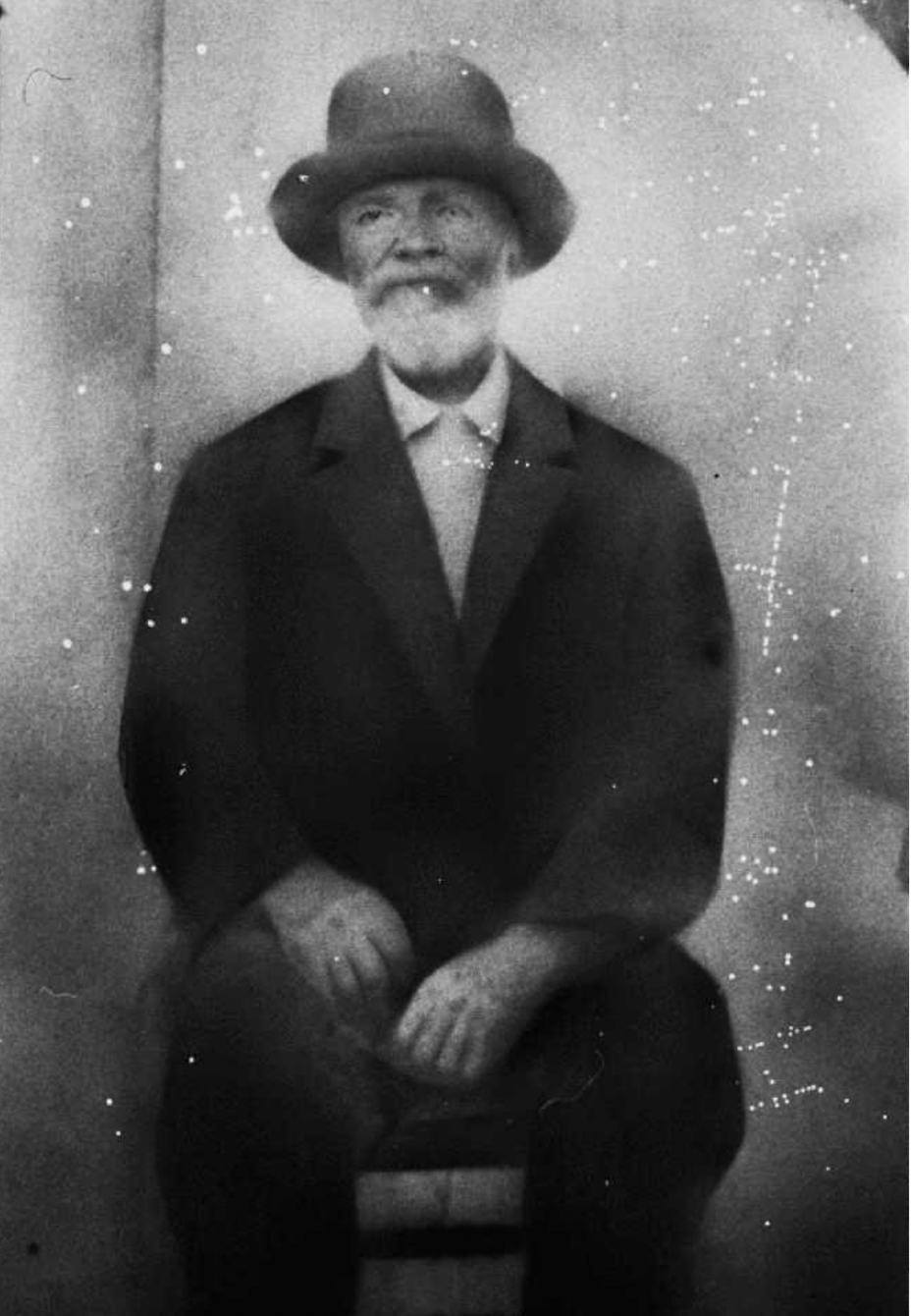
William House and The House Family Legacy
The story of the House family is one of courage, determination, and the pursuit of something lasting for generations to come.
William House was born into slavery in Mississippi. Following the Civil War, he made his way to Topeka, Kansas, where he began building a new life for himself and his family. But in 1889, the promise of land and opportunity drew William farther west, as thousands sought to establish homesteads in what was then Oklahoma Territory.
William joined the historic land run of 1889 with hopes of securing land for his family. According to an account later shared by his grandson, Louie House, William initially traveled to the territory after hearing about a planned Black town surrounded by rich farmland. That community was to be called Lincoln, in honor of Abraham Lincoln.
When William arrived, however, the town and its promoter were nowhere to be found. Rather than turn back, William pressed forward.
On May 18, 1889, William House staked a claim for 160 acres. The land was described as rich and waiting to be cultivated, with gently rolling, timbered terrain near the Cimarron River. There, William began the hard work of transforming his claim into a home. His first house was modest—built partly into a bank, with logs supporting a sod roof—but it represented something far greater: land of his own and the opportunity to create a future for his family.
After completing the initial work necessary to secure his claim, William returned to Topeka for his family. A Topeka newspaper reported on Black families preparing to leave Kansas for opportunities in Oklahoma, reflecting the larger migration taking place during this period.
William ultimately established his family on the land. His son Teter House, then in his twenties, helped keep the family going in Topeka while William worked to establish their new home, and later joined him in Oklahoma.
The House family’s story soon became intertwined with another family pursuing freedom and opportunity. Frank Williams, also formerly enslaved and originally from the sugar-cane fields of Louisiana, made the Oklahoma land run and settled a claim approximately two miles east of the House homestead. Frank’s daughter, Nellie Williams, eventually met Teter House. Their union continued a new generation of the House family, and their son Louie House was born June 22, 1900.
William’s perseverance was eventually rewarded. After completing the required years of residency and improvements to his property, he received his Final Affidavit of Homestead Claim on June 18, 1894—formally securing the land he had worked so hard to establish.
The proposed town of Lincoln never became the community its promoters envisioned. For a time, the area reportedly had a post office and blacksmith shop, but eventually even those disappeared. Yet the House family remained.
And that may be the most important part of the story.
The town that never was became the place where a family took root.
William House’s journey—from enslavement in Mississippi, to freedom in Kansas, to becoming a landowner and homesteader in Oklahoma—created a foundation upon which generations of the House family would build.
More than a century later, his descendants continue that story.
As we gather for the House Family Reunion 2027, we honor more than names and dates. We honor the choices, sacrifices, resilience, and determination of those who came before us. William could not have known how many lives would eventually grow from the foundation he was creating on those 160 acres.
But we are part of the answer.
The House Is Built on a Strong Foundation.